
Measles virus (MeV) is making a comeback globally, with declining immunization coverage driving emerging outbreaks. Measles infection is typified by initial cold-like symptoms (a fever and sore throat), followed by a cough, runny nose, lack of appetite and energy, a blotchy red rash, and “Koplik’s spots”. A great proportion of these symptoms relate to the … Continue reading Pathogen Profiles: Measles Virus

Pathogen Profiles: Hepatitis C
Hepatitis C virus (HCV) is a significant health concern at the population level, affecting tens of millions of individuals globally. It is predominantly spread through contact with infected blood (whether it be via blood transfusions, or the sharing of syringes or needles, amongst other possibilities). The majority of those with acute HCV infection end up … Continue reading Pathogen Profiles: Hepatitis C

Dried Blood Spots: Collecting your own blood
Older adult populations are underrepresented in clinical trials, with poor health status or accessibility issues serving as barriers. Those living in rural or remote communities are less likely to participate, and are unfairly excluded given their proximity from central testing facilities. So too, despite making up upwards of 30% of the American population, people of … Continue reading Dried Blood Spots: Collecting your own blood

Pathogen-Driven Autoimmunity: Vaccinating Against MS & Diabetes
Our immune system is a robust defensive network, fighting against pathogens that enter our body and protecting us from severe infection. But sometimes, all does not go according to plan, and the focus of attack is our own body’s cells and tissues. These instances of aberrant immune responses, known as autoimmune conditions, are quite prevalent … Continue reading Pathogen-Driven Autoimmunity: Vaccinating Against MS & Diabetes

Masking Up Against Respiratory Infections
The COVID-19 pandemic has provided us with a stark example of the sheer morbidity, mortality, and economic losses that respiratory infections contribute to. Each year, viruses like the flu, COVID-19, and respiratory syncytial virus (RSV) are responsible for extensive hospitalizations and deaths, in particular during the fall and winter months. Respiratory viral infections, which infect … Continue reading Masking Up Against Respiratory Infections
IMMUNOLOGY 101 – Fighting Viral Infections
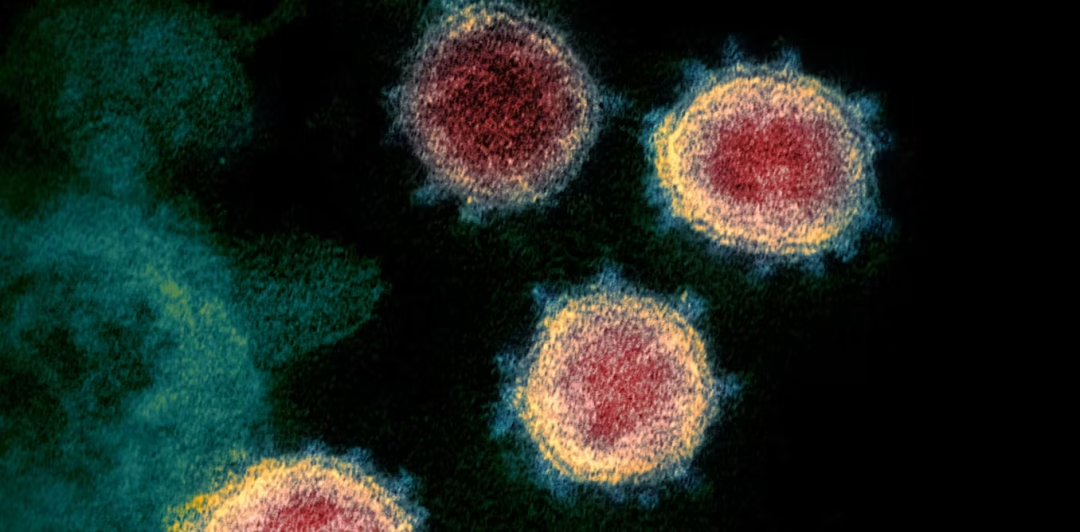
Viruses are obligate intracellular pathogens. In order to replicate, they need to gain access to host cells. Hallmarks of the viral life cycle including extracellular and intracellular elements. Virions bind extracellular structures on their target, before their genome enters and host cell processes are hijacked in favor of viral replication and assembly. In response to … Continue reading IMMUNOLOGY 101 – Fighting Viral Infections

Vector-borne Diseases: Infection Knowing no Borders
Mosquitoes are a common summer-time inconvenience, leaving behind welts and itchiness of the skin. More concerning, however, is their capacity to spread severe disease. For millions upon millions of years, these insects have developed the ability to silently and efficiently feed on human blood without notice. This ability is being taken advantage of to maximize … Continue reading Vector-borne Diseases: Infection Knowing no Borders

IMMUNOLOGY 101 – Fighting Intracellular Bacterial Infections
Some bacteria like Mycobacterium tuberculosis, the causative agent of tuberculosis, are intracellular pathogens. They invade and reside inside host cells, including those of the immune system, such as macrophages. Inside the macrophage, the typical bacterial killing strategy does not go according to plan when dealing with intracellular bacteria. Some can aptly withstand the acidity. Some … Continue reading IMMUNOLOGY 101 – Fighting Intracellular Bacterial Infections

IMMUNOLOGY 101 – Fighting Extracellular Bacterial Infections
Some infections don’t develop within our cells - many are extracellular. Once these pathogens have gotten past the first line of defense, our skin, resident mast cells and macrophages jump into action. Histamine is released and blood flow to the site of infection is increased. PAMPs are recognized, driving the phagocytosis of the invading pathogen … Continue reading IMMUNOLOGY 101 – Fighting Extracellular Bacterial Infections

Protecting Against Sexually Transmitted Diseases
Every day, over a million curable sexually transmitted infections (STIs) are acquired globally. Dozens of pathogens are responsible for these infections which are passed from person to person via oral, anal, and vaginal sex, as well as genital contact. There are parasites like Trichomonas vaginalis, which causes trichomoniasis, an STI acquired by over 150 million … Continue reading Protecting Against Sexually Transmitted Diseases